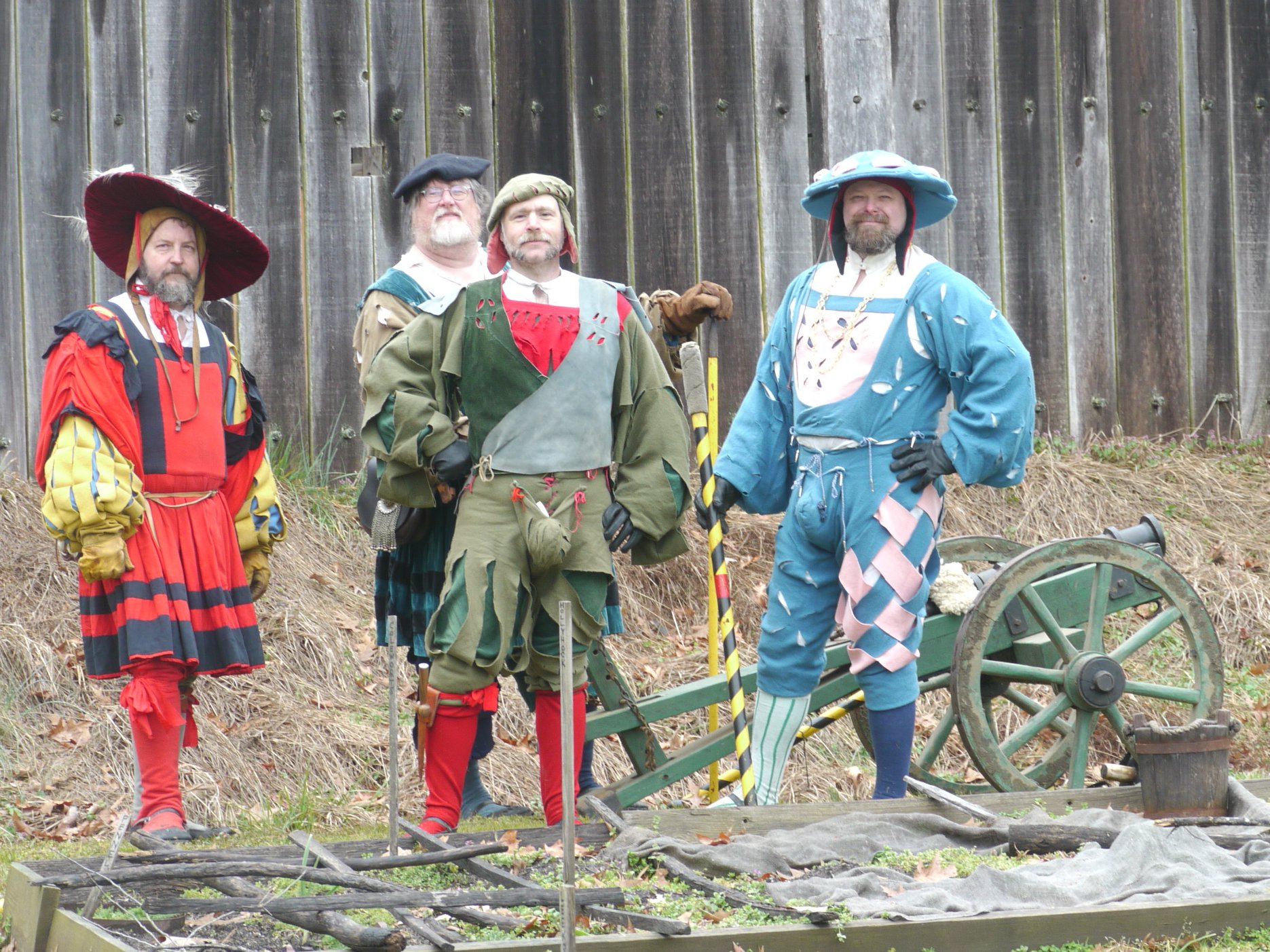
![Das Teufels Alpdrücken Fähnlein]() Das Teufels Alpdrücken Fähnlein
Das Teufels Alpdrücken Fähnlein
The Devil's Nightmare Regiment
•OUR UNIT•
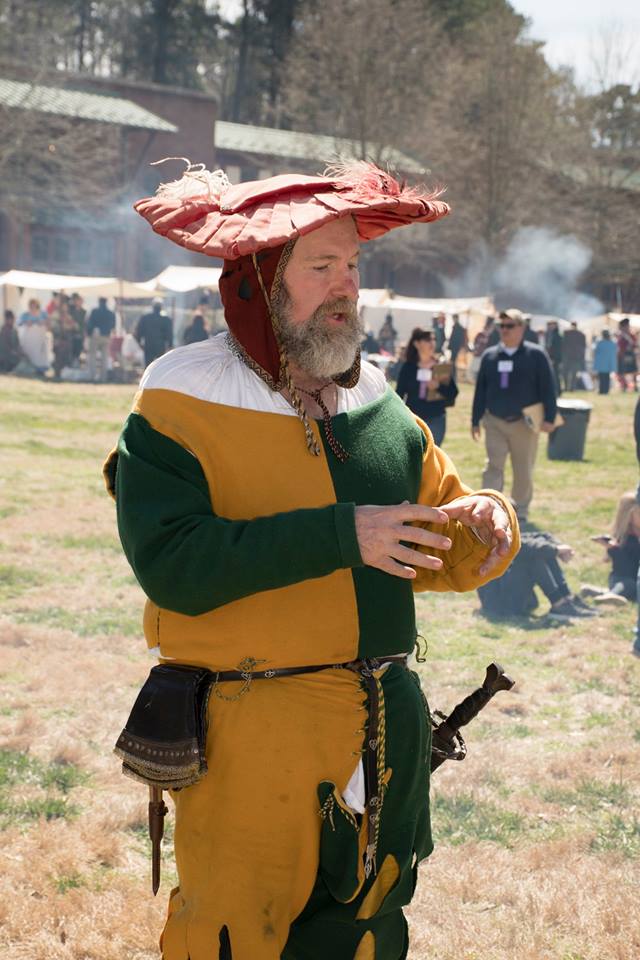
As reenactors, we strive to portray the most historically accurate representation
of Landsknechts based on current evidence.
---------------------------------------
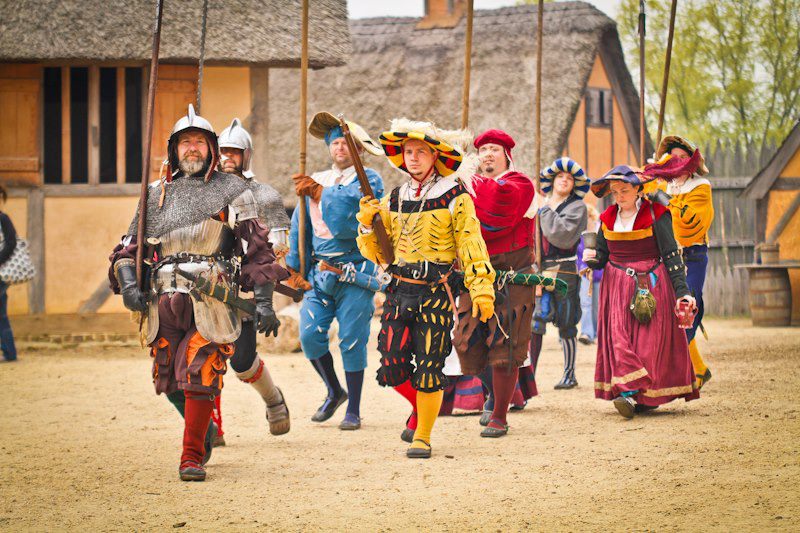
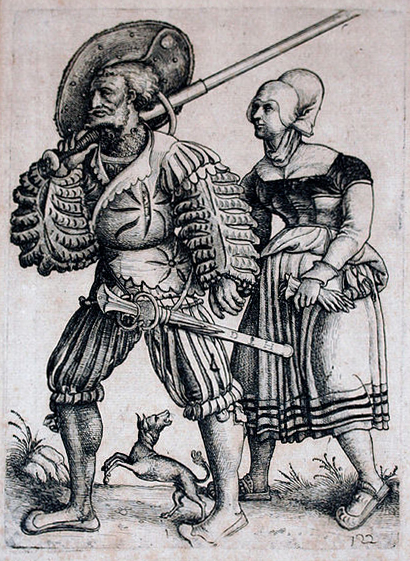
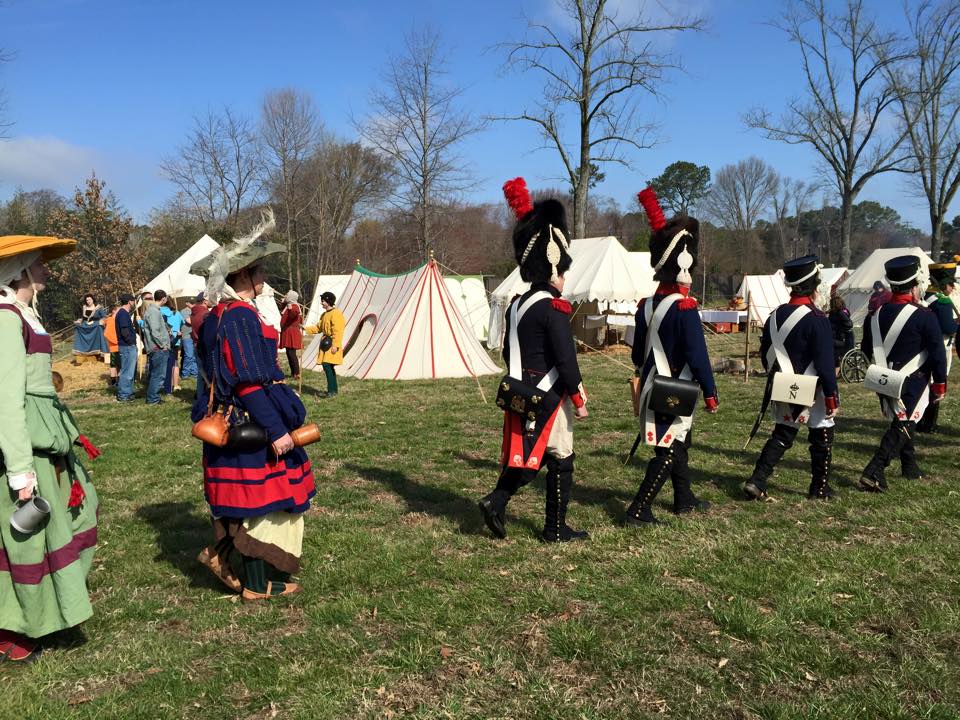
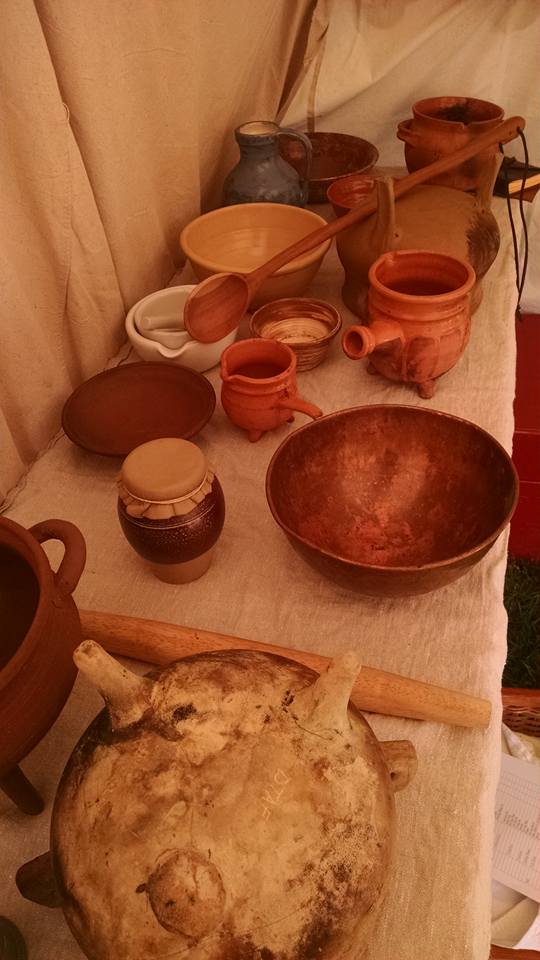
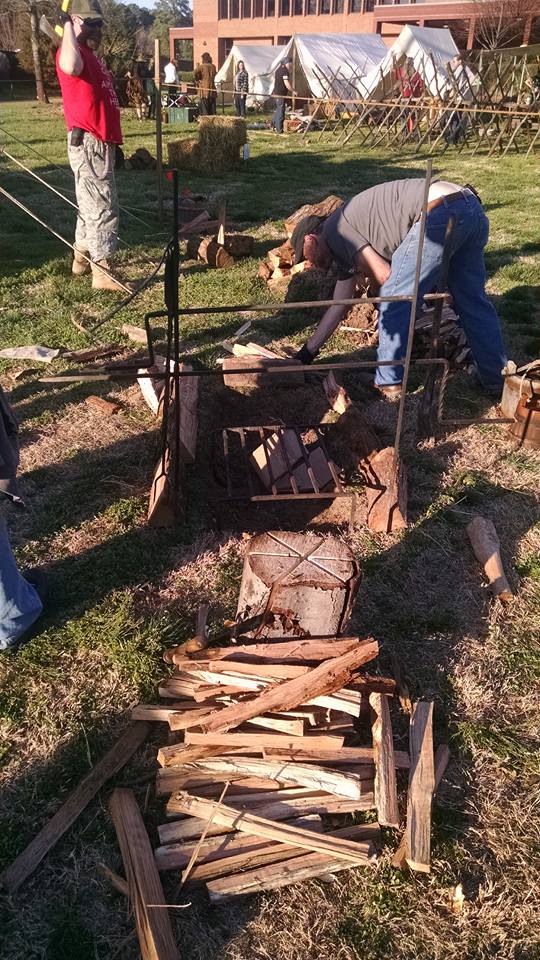
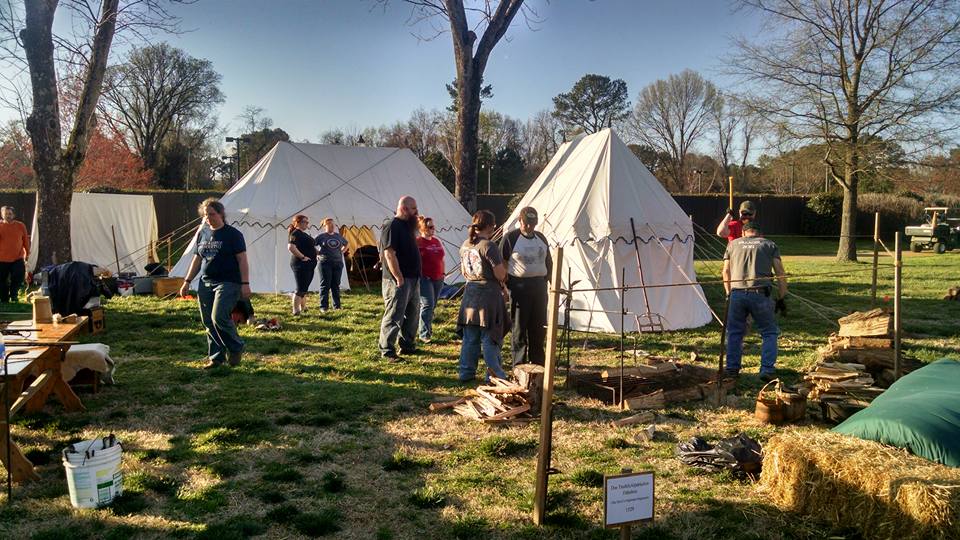
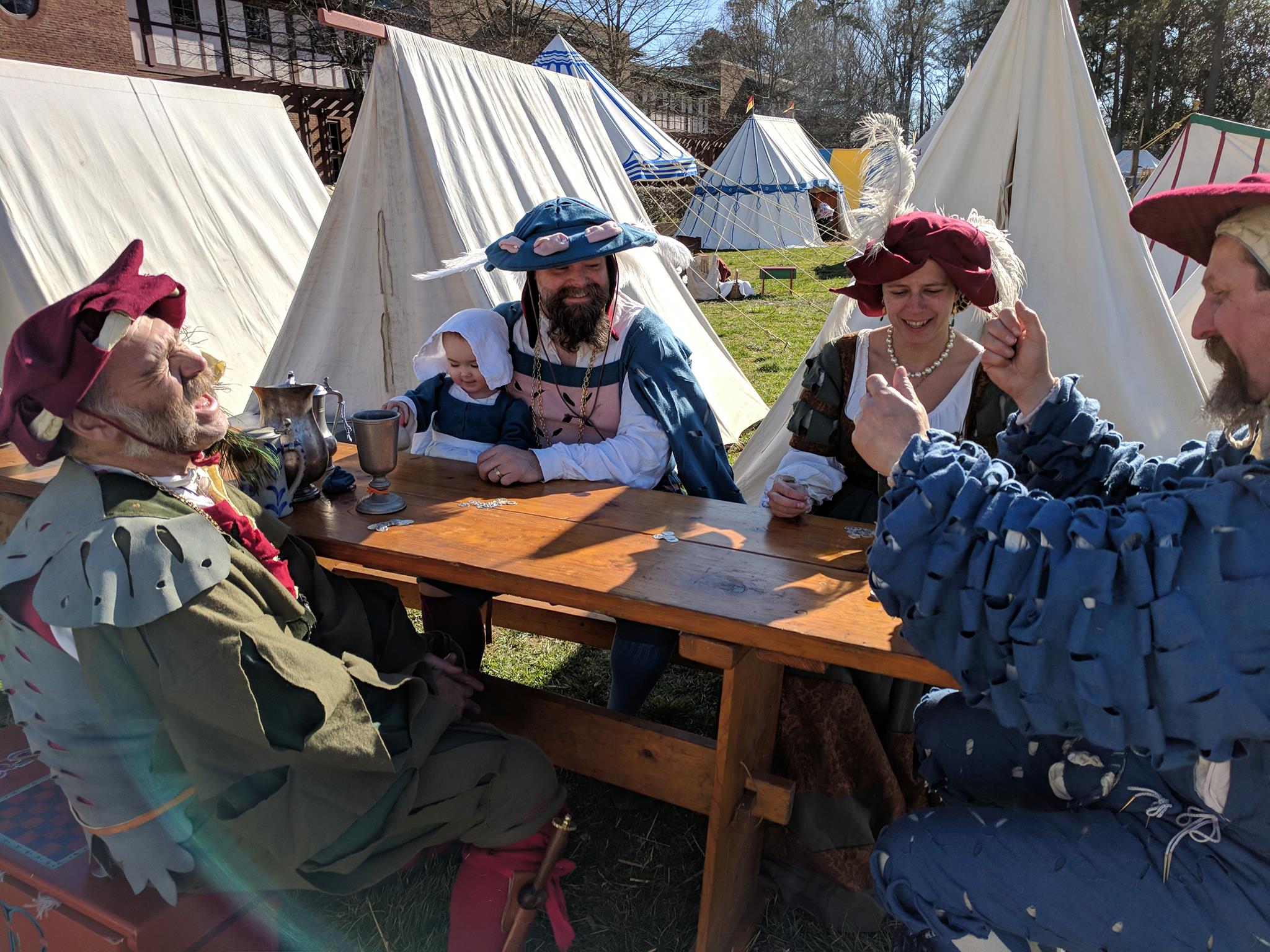
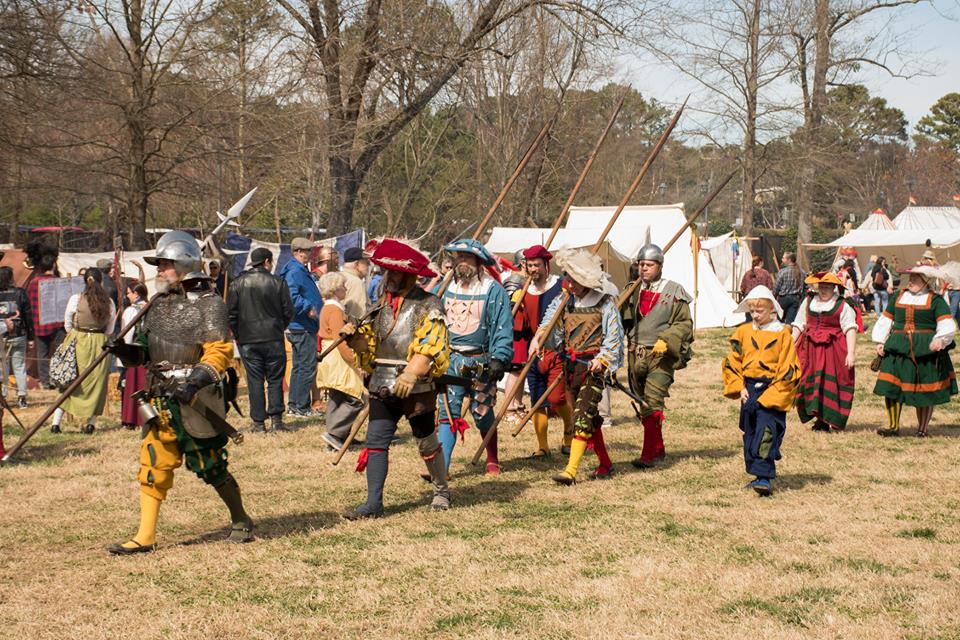
Das TeufelsAlpdrücken Fähnlein is not just a regiment of soldiers; it is a collection of families. 16th century soldiers simply did not go off to war without someone to look after them, clean, cook, sew, wash for them, bind their wounds, and heal their spirits. Our camp showcases not only the military man, but also the support system that traveled with him. Wives, mothers, daughters, and sisters tend the fires, heal the injured, cook the meals, mend the torn and blood-stained clothing, and chase after the children.
Together, they turned the camps into mobile, bustling cities.
--------------------------------------
It is the year 1529 and all of Italy has become a battlefield laid waste by the troops of the French king Francois I and Emperor Charles V. After eight long years of fighting, this chapter of the Italian Wars is closing and the weary troops slowly head home, laden with the spoils of Rome and the Vatican.
Taking advantage of the European conflicts, Süleyman the Magnificent, emperor of the Ottoman Turks, has seized the chance to march on the eastern edge of Christendom and threatens Austria and its capital city of Vienna.
The call goes out for experienced soldiers to rescue the city and fend off these invaders. Word reaches these soldiers trudging toward the Rhineland and suddenly the slow march becomes a race through the Alps.
•THE MEN•
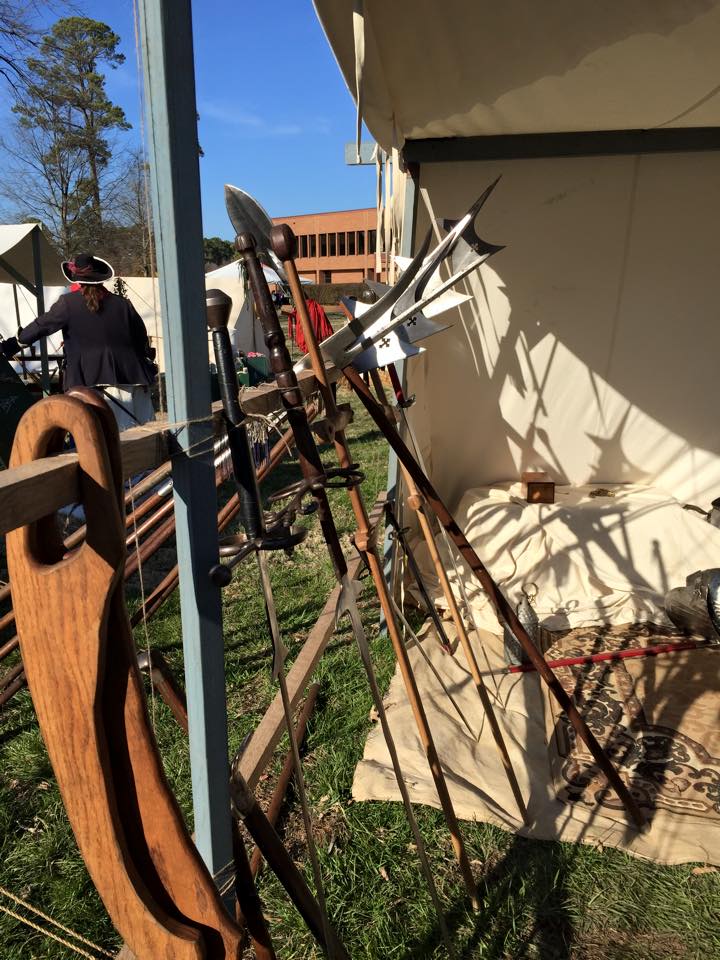
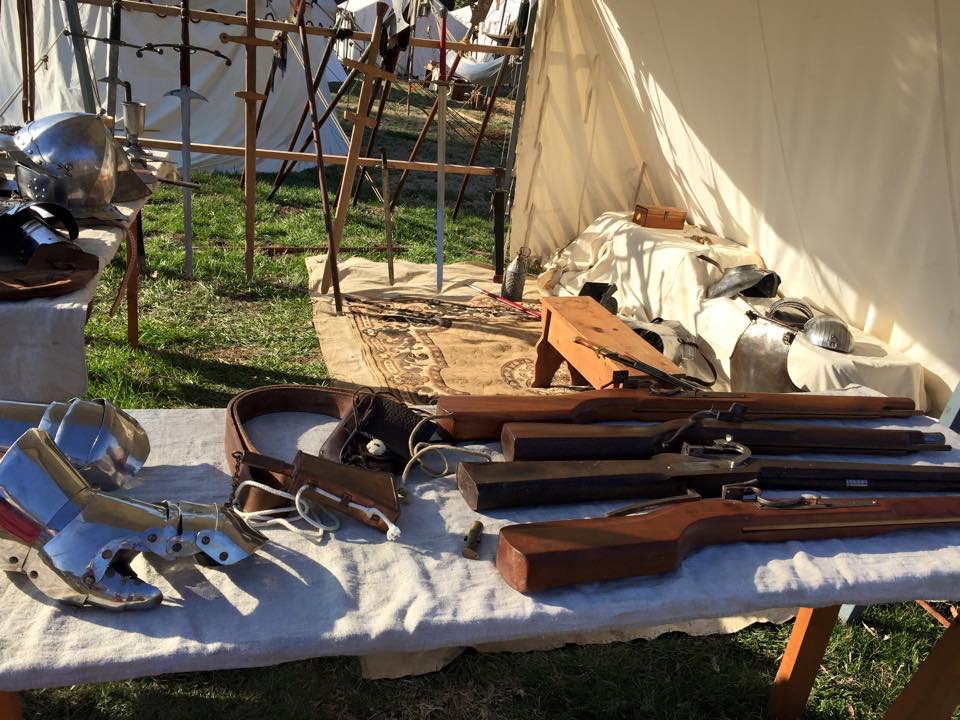
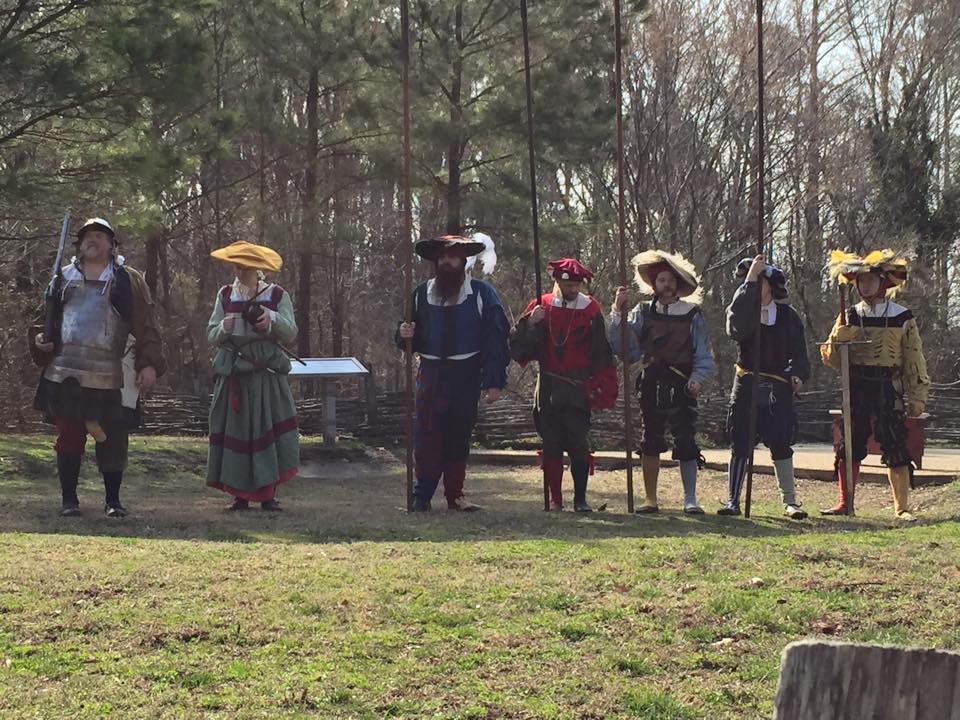
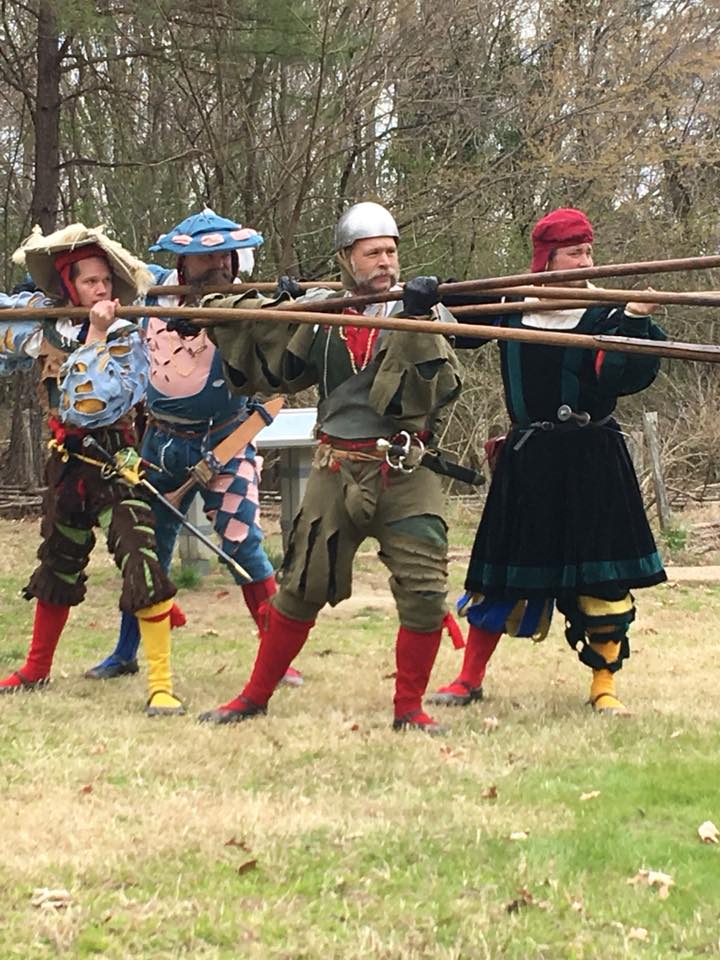
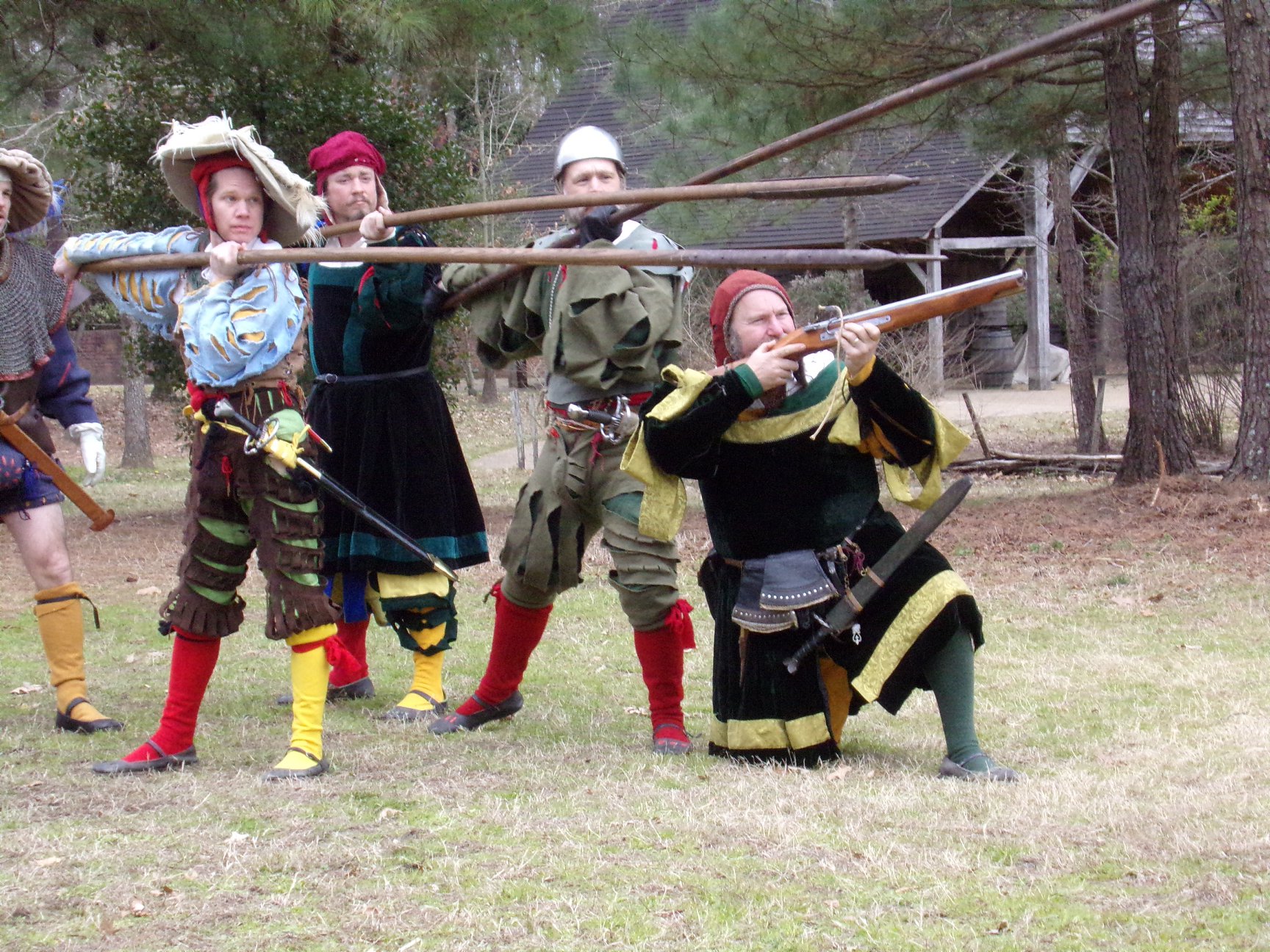
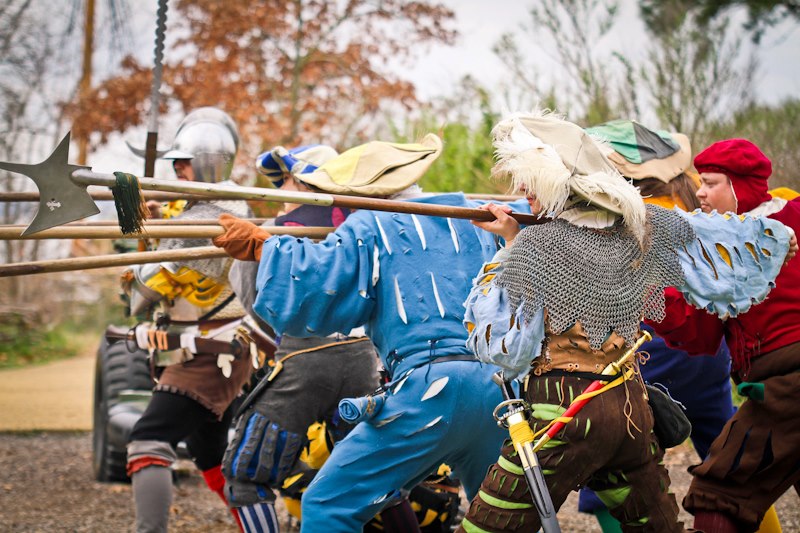
The men make up the main fighting force of a Landsknecht unit. The men fight with a variety of weapons - pikes, halberds, Katzbalgers, and, occasionally, the famous Zweihander.
The primary weapon of the average soldier was a pike. Their sidearms were a short, straight sword known as a Katzbalger (cat-gutter) and a dagger. A Doppelsoldner (a double-soldier) could wield the Zweihander (lit. two-hander) or any other specialized weapon. These men got paid double the amount a regular soldier would, hence the moniker. However, these soldiers often died in half the time because of the dangerous nature of their work - run between the two front lines of pikes, knock the tips aside, and ruin the enemy formation.
We have a Hauptmann (a captain), a Leutnant (a lieutenant), and Weibels (sergeants). Everyone underneath them are soldiers . The men learn and drill with their weapons leading up to our events to teach new soldiers how to move with a pike and to reteach the old ones.
•THE WOMEN•
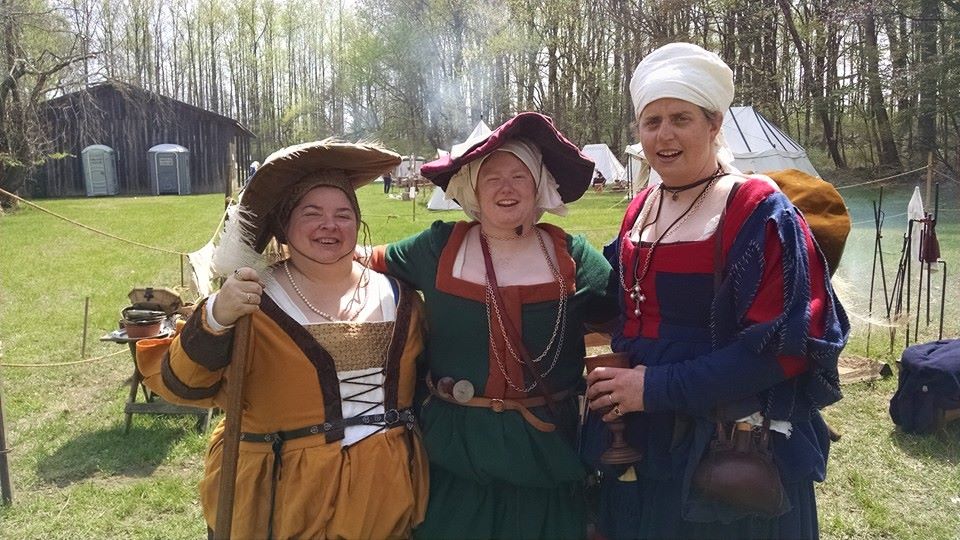
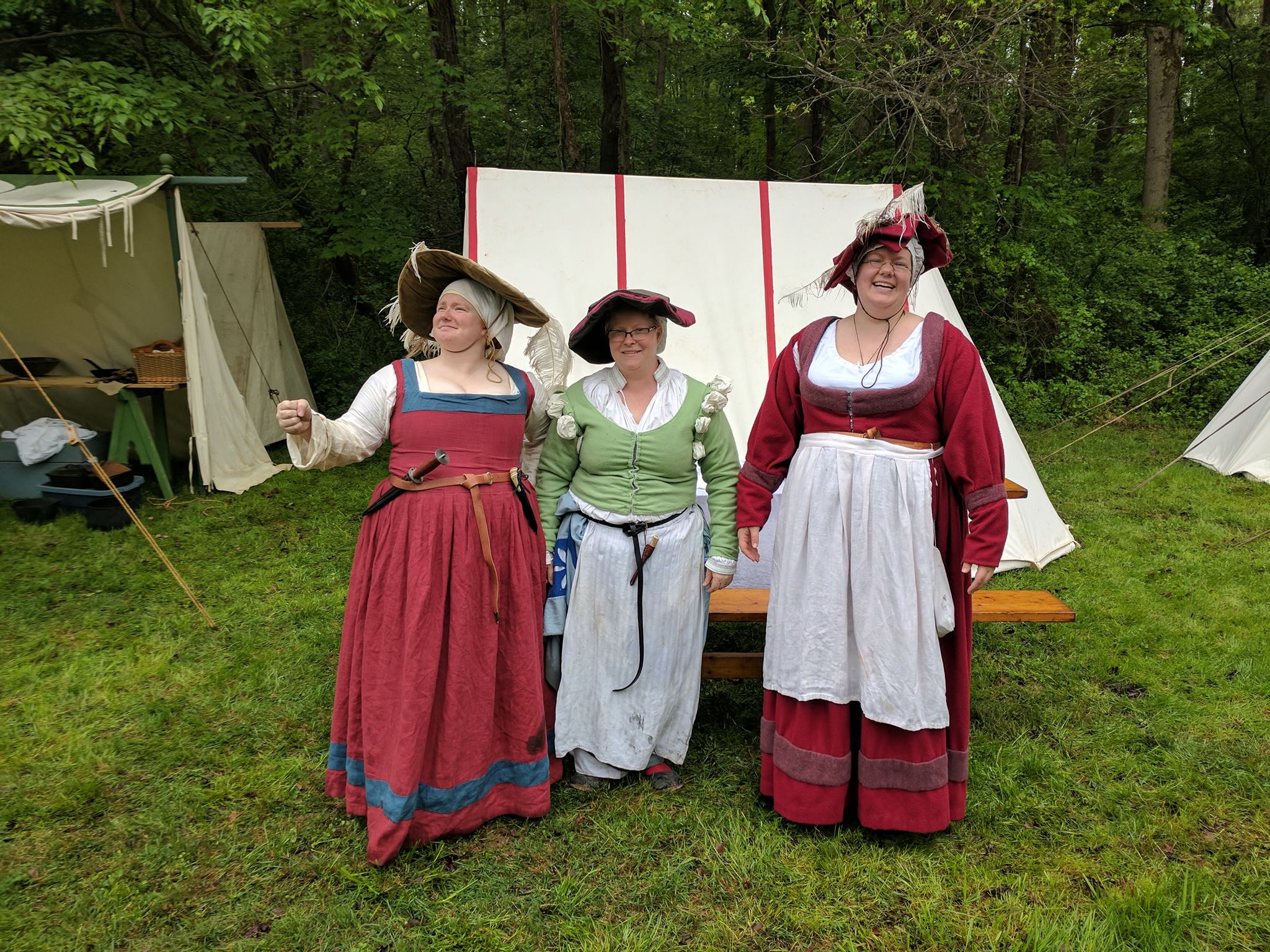
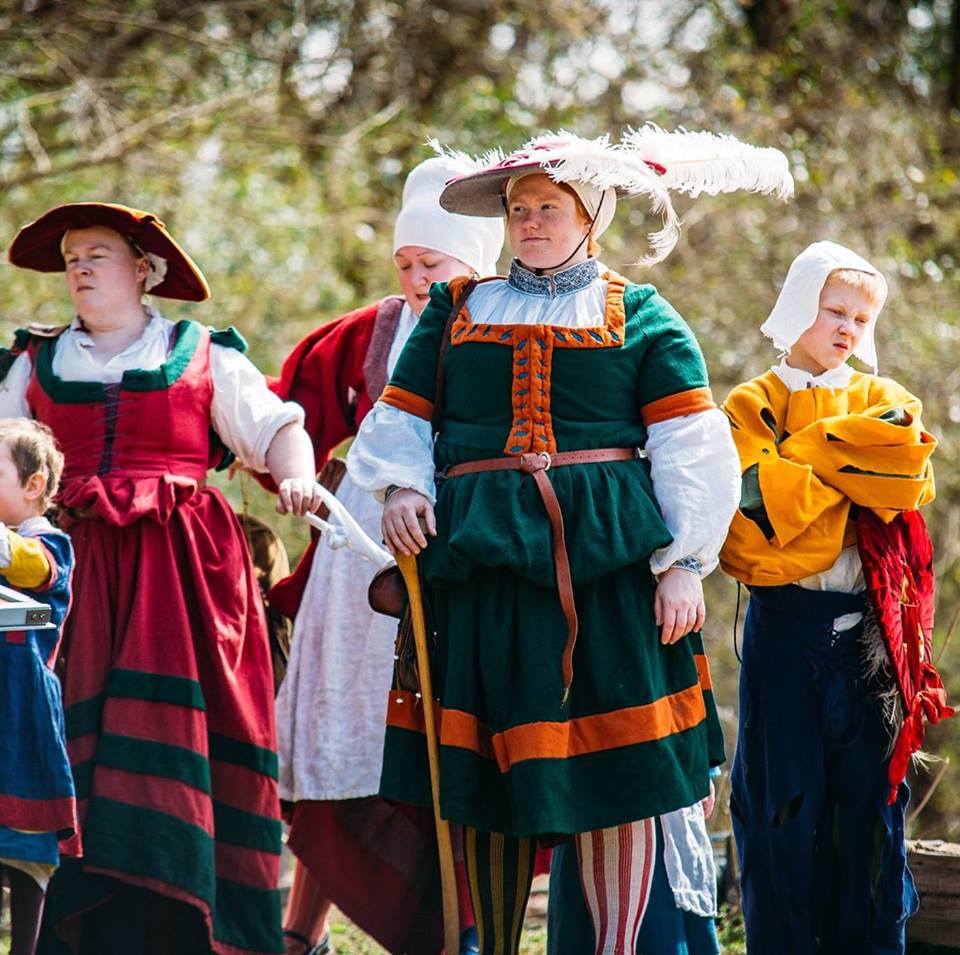
There is a quote regarding Landsknechts that notes, "Fight the men, fear the women." Landsknecht women play a very important role in a regiment.
Unlike in many time periods, Landsknecht women do go out onto the field of battle and they are considered part of the military. Women can help build battlements, load cannon, and reload guns. All the women are armed in various ways.
After a battle, the women nurse the wounded and find good candidates for ransom. If a to-be ransomed noble doesn't cooperate, the woman will subdue him until one of the soldiers comes to pick him up.
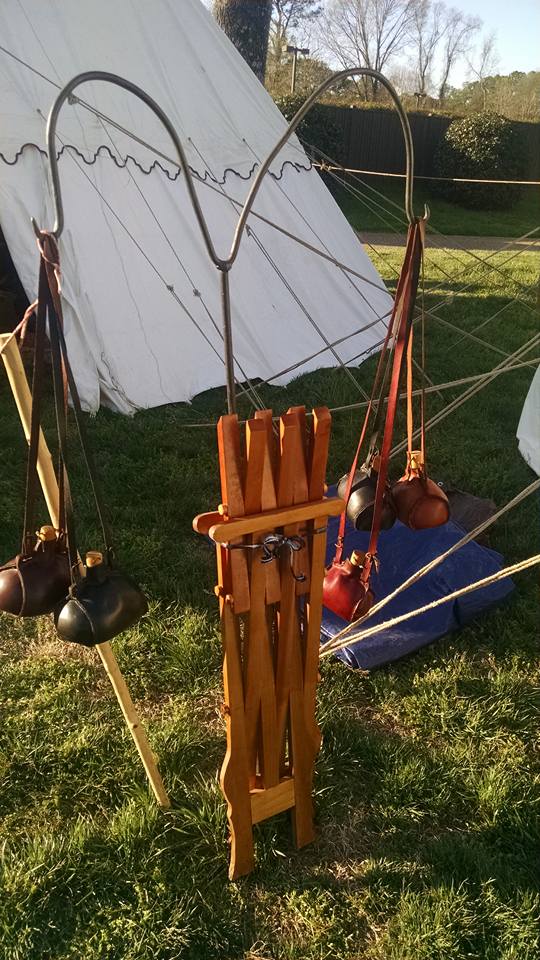
In our unit, the women do tacticals (weapons demonstrations) with the men, acting as the water-bearers primarily. Additionally, they feed the soldiers throughout the reenactment.
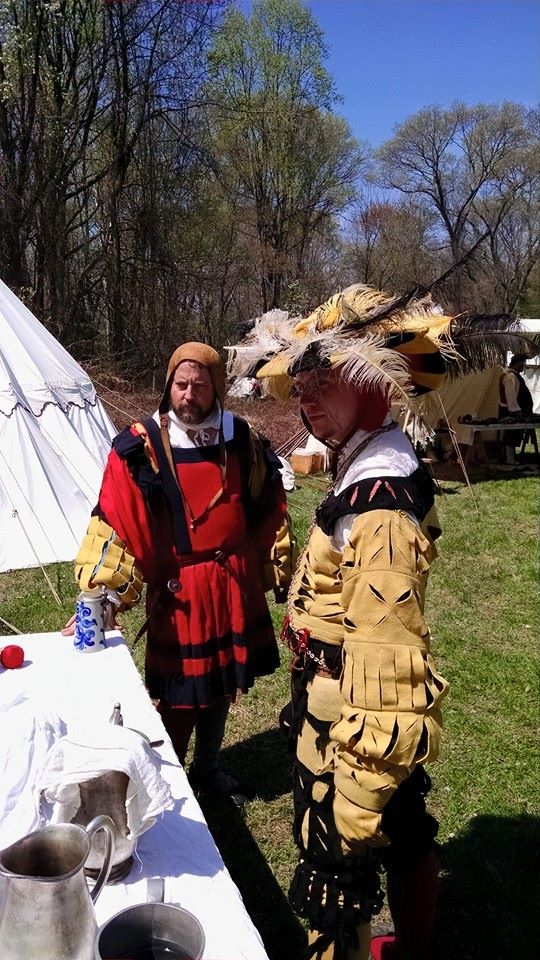
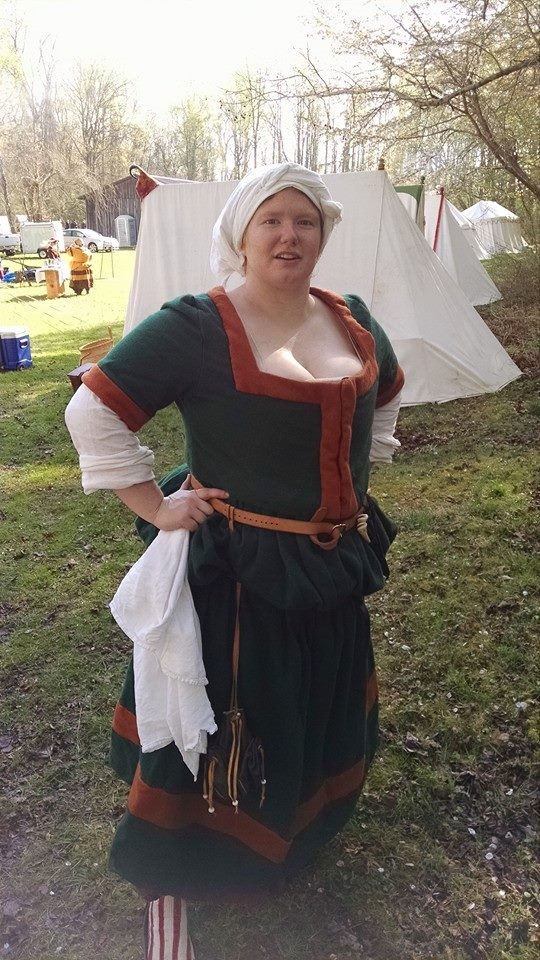
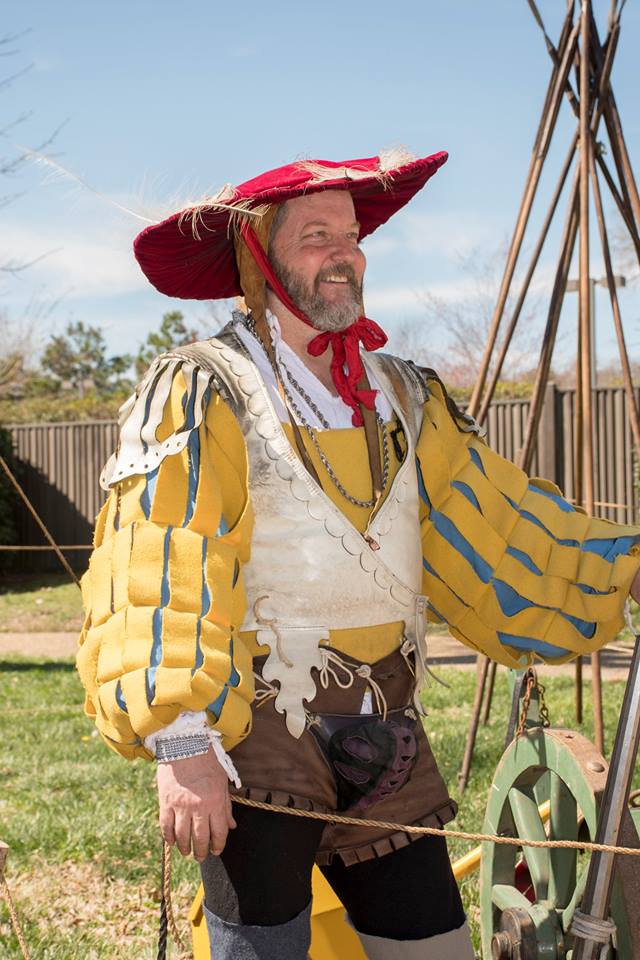
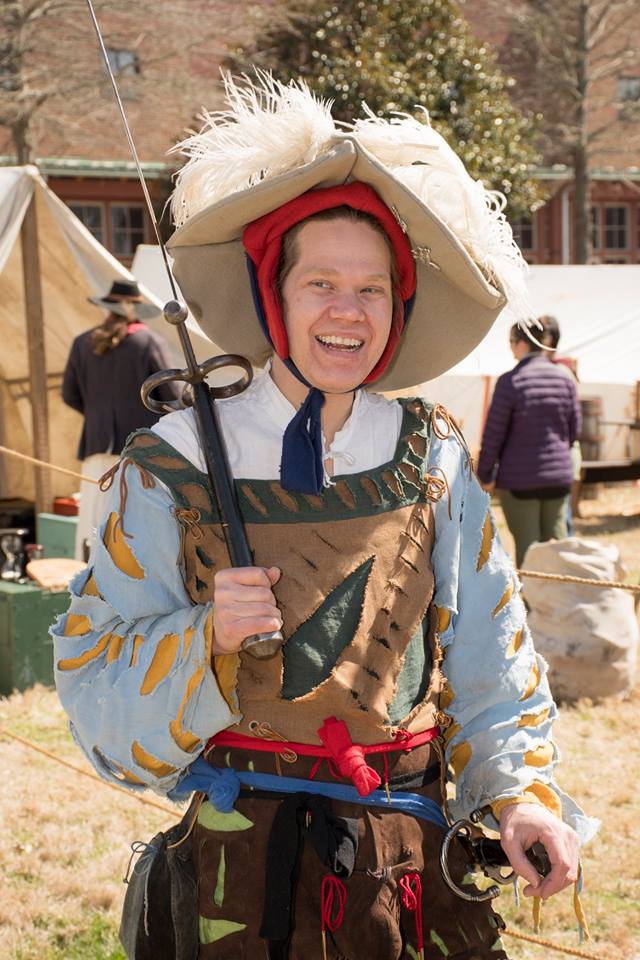
As for clothing, do not despair. The women are just as flashy as the men.