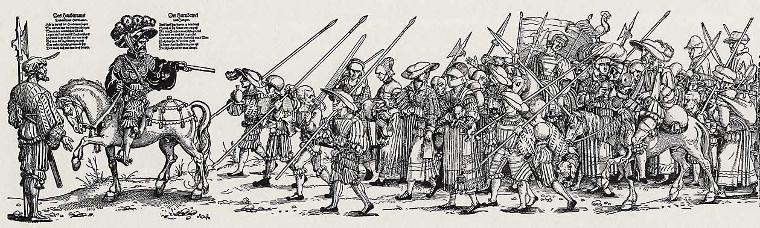
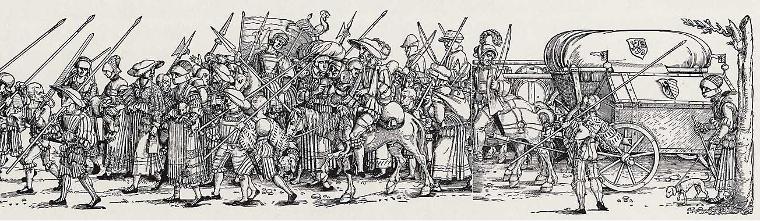
![Das Teufels Alpdrücken Fähnlein]() Das Teufels Alpdrücken Fähnlein
Das Teufels Alpdrücken Fähnlein
The Devil's Nightmare Regiment
•WHO WERE
THEY?•
In the late 15th century, Maximilian of Austria (later Holy Roman Emperor Maximilian I) needed a highly trained, well-disciplined army in order to consolidate his hold on his wife’s inheritance of the Netherlands against Louis XII of France. The battles of Morat (1476) and Nancy (1477) had demonstrated the effectiveness of the Swiss tactics. Therefore, Maximilian based his troops and their training on the Swiss model of pikemen, the Reisläufer. He, in fact, recruited the Reisläufer to train his new army. This heralded the return of infantry as an effective fighting force and sounded the death knell for the era of mounted knights. In 1490, after the Siege of Stuhlweissenberg, Maximilian had his troops swear their allegiance to him and his cause, forging the discipline and unit integrity that would mold the future Landsknechts. After 1500, their reputations grew and they became the most sought after troops in Europe.
The accomplished soldier and commander Georg von Frundsberg, known as the “Father of the Landsknechts,” further strengthened this new military force. Frundsberg had grown up fighting for the Empire and Maximilian, including against the Swiss Confederacy in 1499. It was in these battles that he realized the age of the knight was swiftly coming to an end. Later that year, Maximilian promoted Frundsberg to Tyrolean military captain and Frundsberg led a regiment of Swiss pikemen to decisive victories. Between the two men, they created a powerful,native fighting force and the first standing military in Europe.
In the 1504 War of the Succession of the Landshut, Frundsberg took one of the fledgling Landsknecht regiments into the Battle of Wenzenbach. His regiment broke a wagon-wall of more than 300 war wagons and successfully routed them. For this triumph, Maximilian I personally bestowed a knighthood to Frundsberg and made him the commander of the Landsknechts in Habsburg Netherlands. After several years of victories for the Landsknechts, Maximilian appointed Frundsberg as Oberfeldhauptmann (Highest Field Captain) of the Landsknechts. Frundsberg went on to successfully lead his Landsknechts into nearly every major conflict the Holy Roman Empire fought in to great success. His personal motto was “Viel Feind’, viel Ehr’” ("Many foes, much honor").
Landsknechts came from all walks of life; they were German peasants, artisans, nobles, and criminals. Some fought because of financial need, some for adventure and plunder, and others because their lords levied soldiers. Landsknechts fought in virtually all major European conflicts from 1482 – 1648. They participated in numerous conflicts including military responses to revolts in the Netherlands, uprisings for Swiss independence and Swedish independence, the Italian Wars (1494-1559), the Peasants’ War (1524-25), the Landshut War of Succession (1504), the Siege of Vienna (1529), Spanish conquests in the Americas, and the 16th century European religious wars. Hundreds and thousands of sutlers, laundresses, cobblers, prostitutes, cooks, and baggage boys trailed and supplied their armies.They were renowned for their fierceness and professionalism, but they equally well known for their drunkenness, brutality, and loyalty to their commanders and the money paid to them. The saying, “Landsknechts are as good as the gold and last as long as the beer” is a modern reenactor axiom, but it is nonetheless accurate.
With the singular exception of the Empire itself, Landsknechts fought for and against anyone . They elected many of their own officers and they carried out military justice themselves. Such independence and participation in their own government made them more difficult to control than other mercenaries. Likely to mutiny if pay was not forthcoming, they were known to abandon the field, force a fight to end a prolonged siege or, as was the case of the Sack of Rome (1527), take their pay in plunder. Many nobles hired Landsknechts to fight their silly and, often, petty little grievances. Many provinces of the Holy Roman Empire became battlegrounds for the minor nobles and their squabbles.
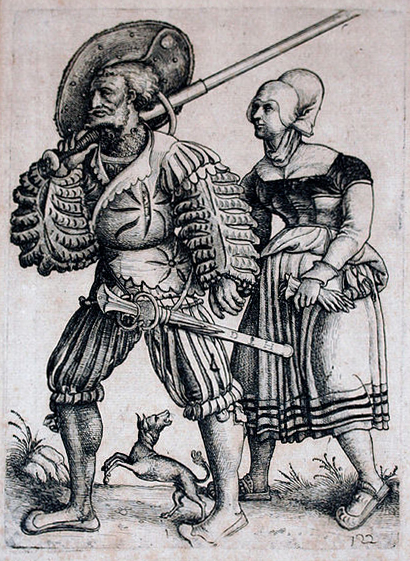
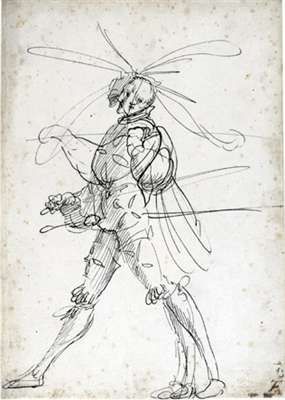
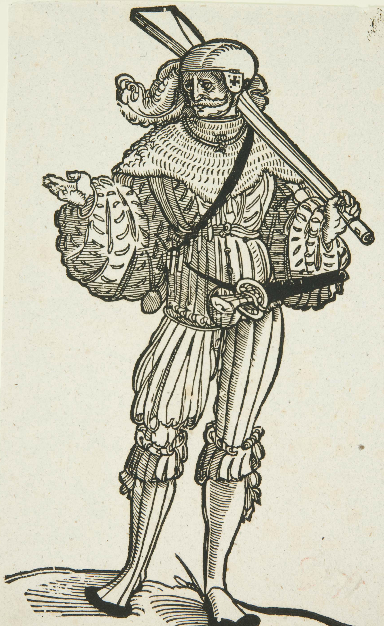
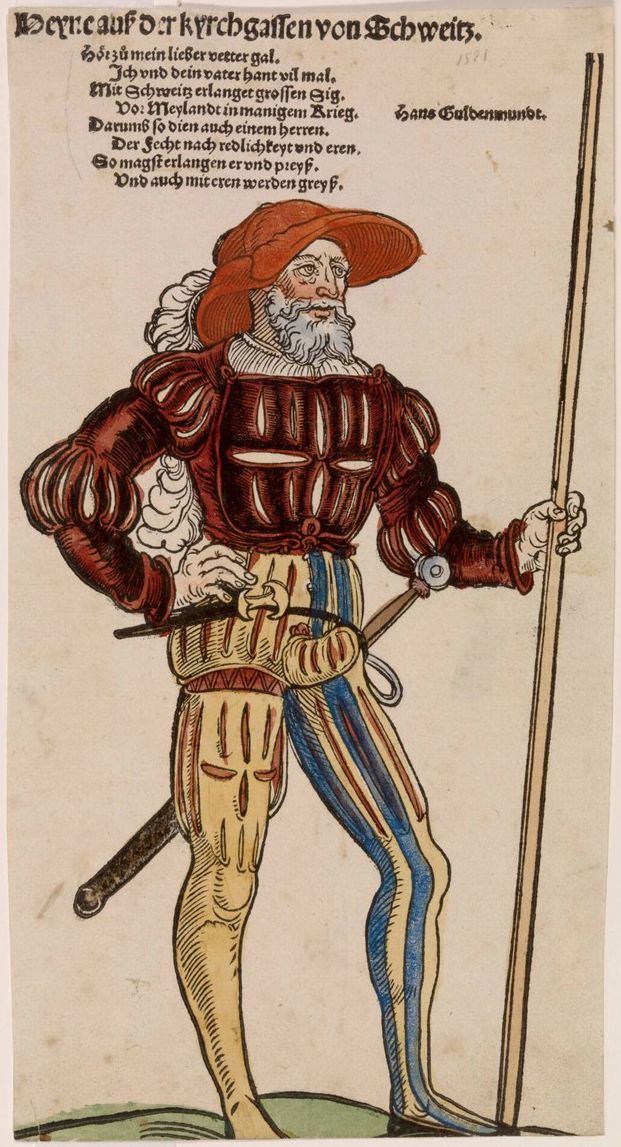
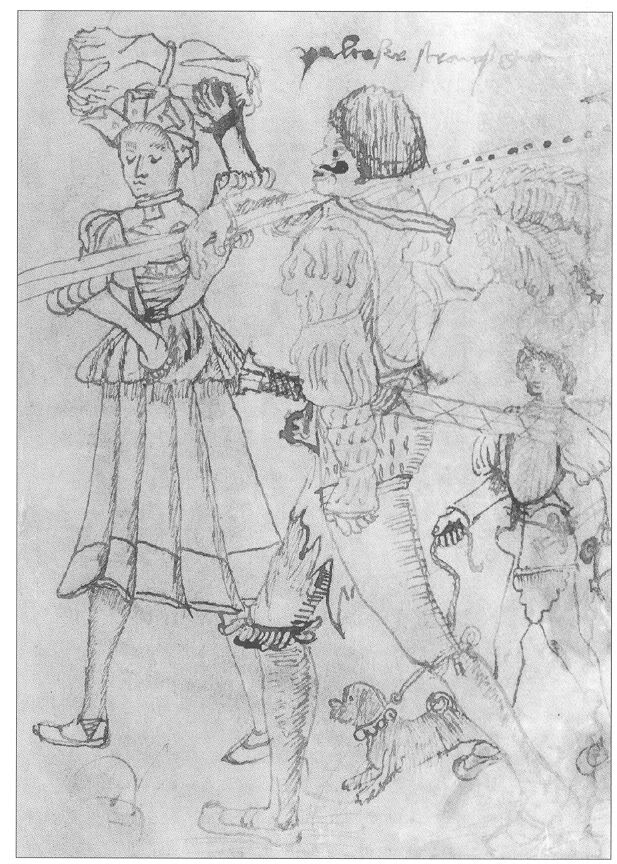
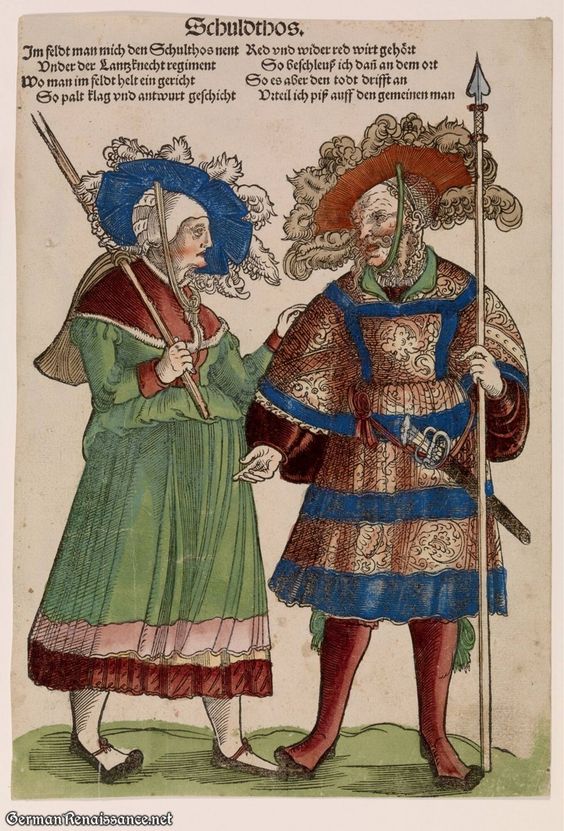
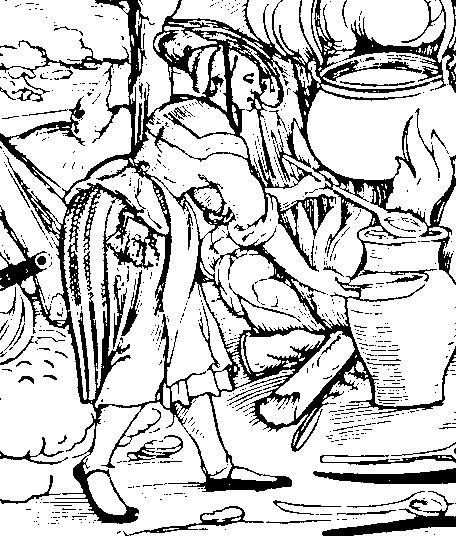
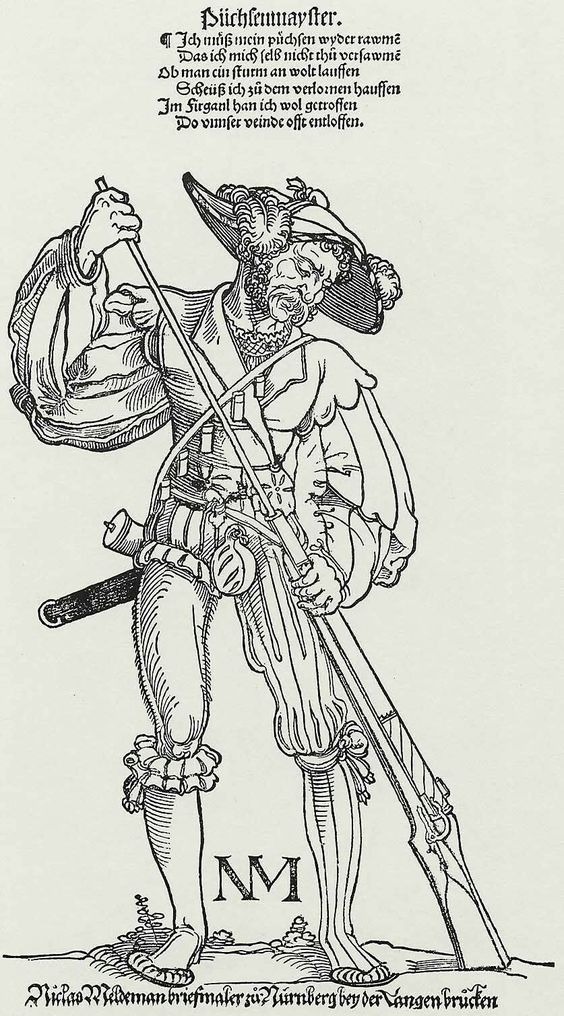
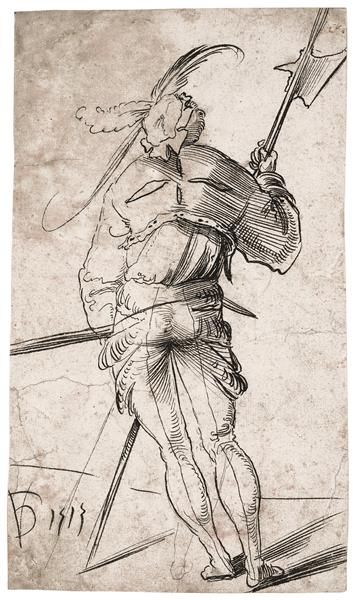
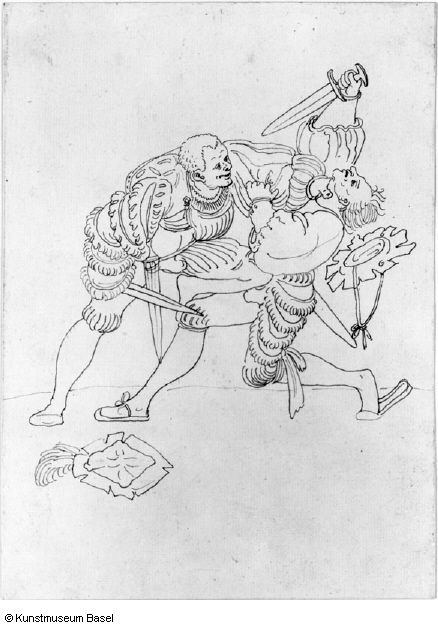
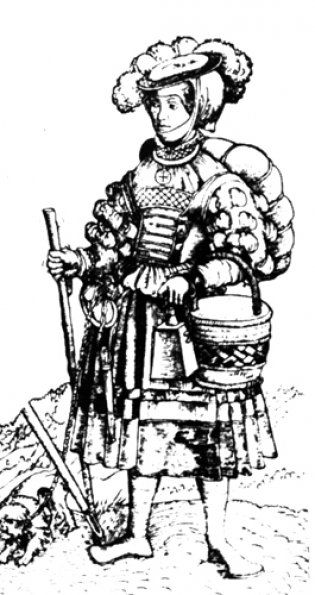
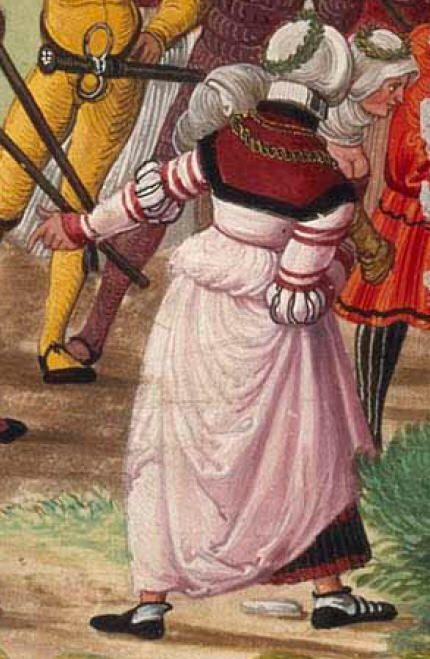
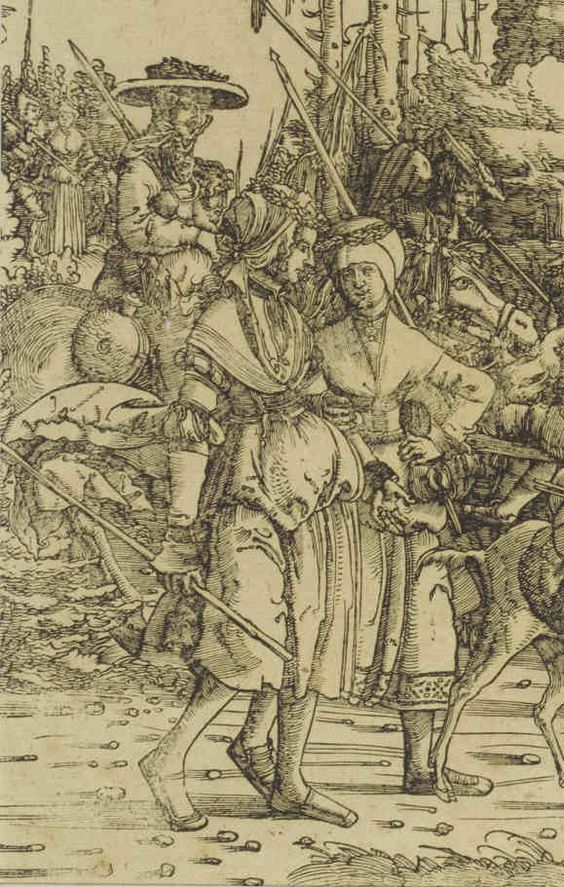
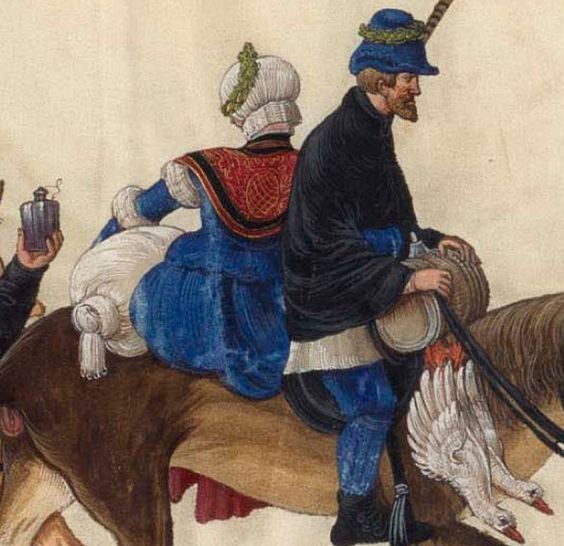
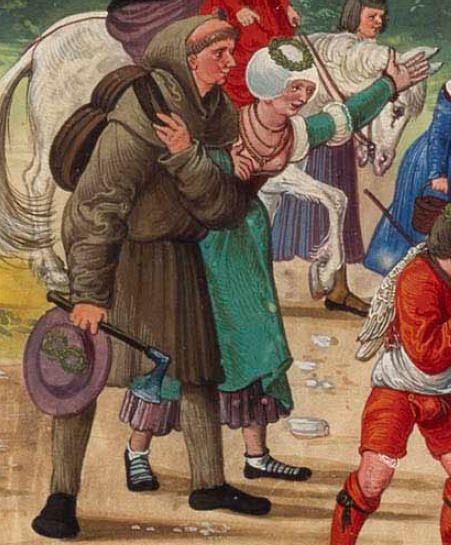
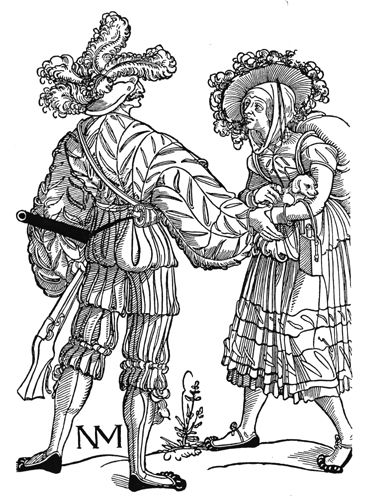
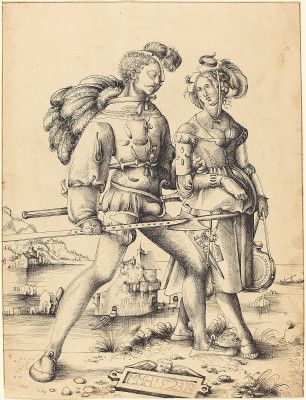
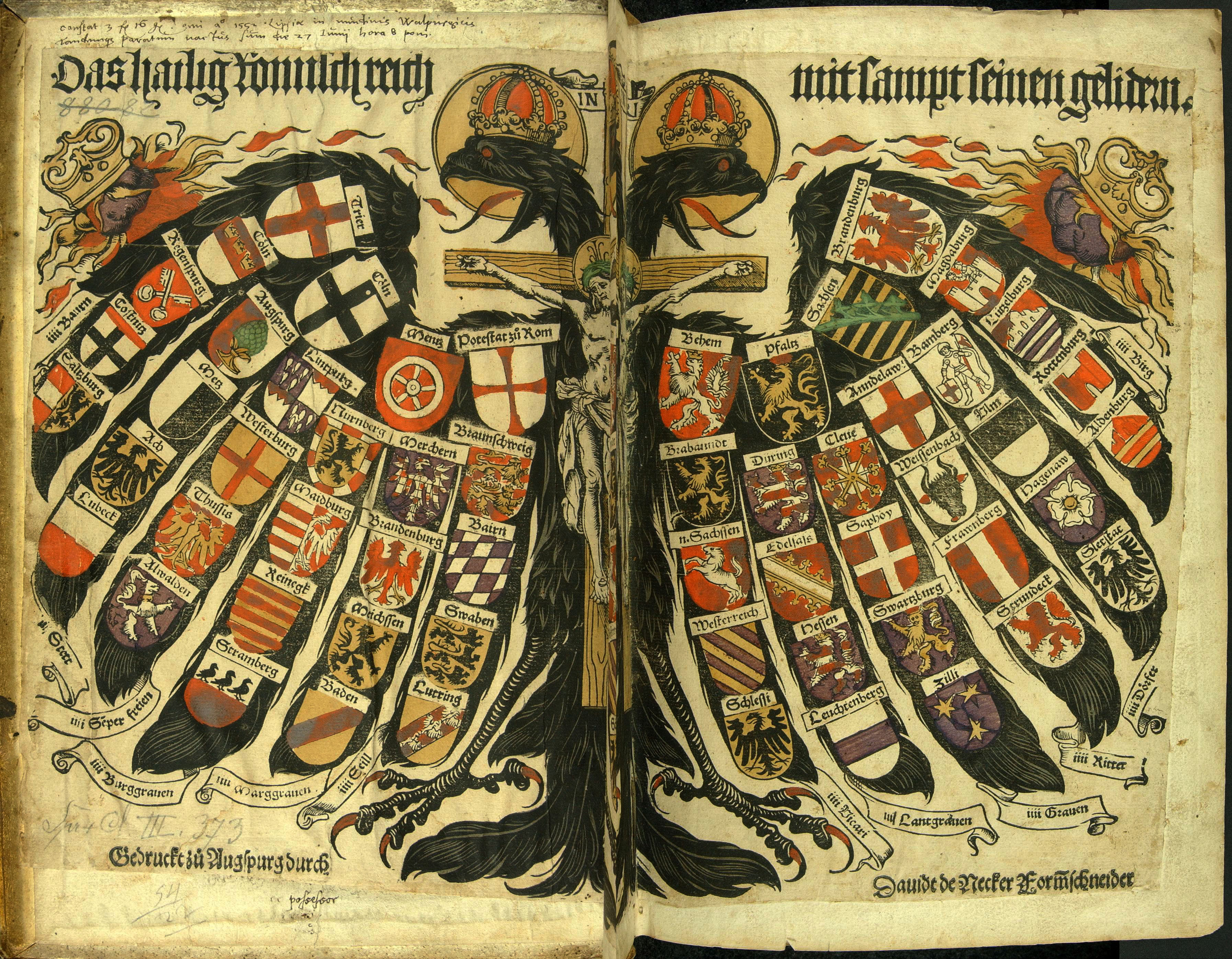
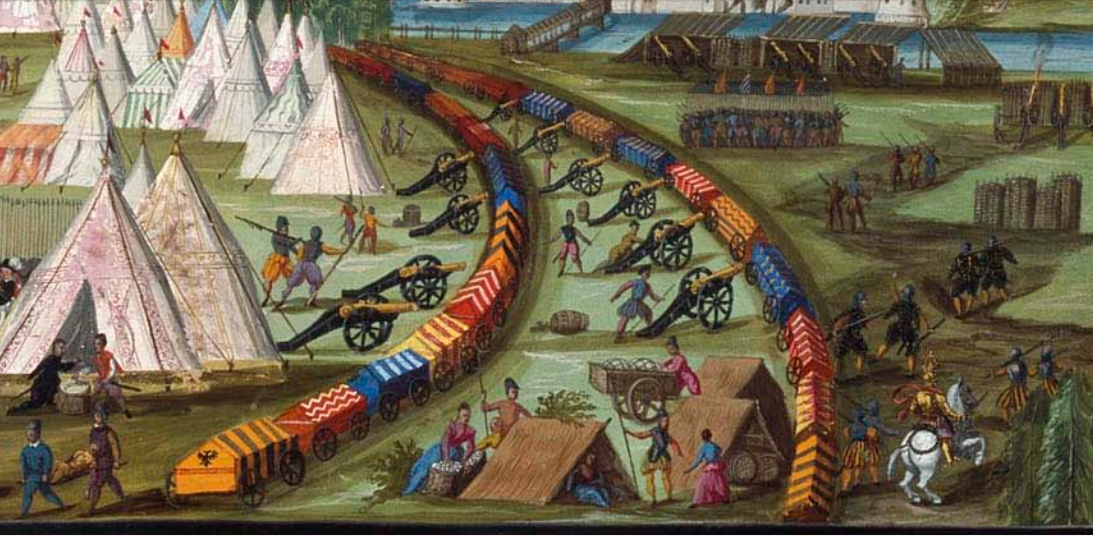
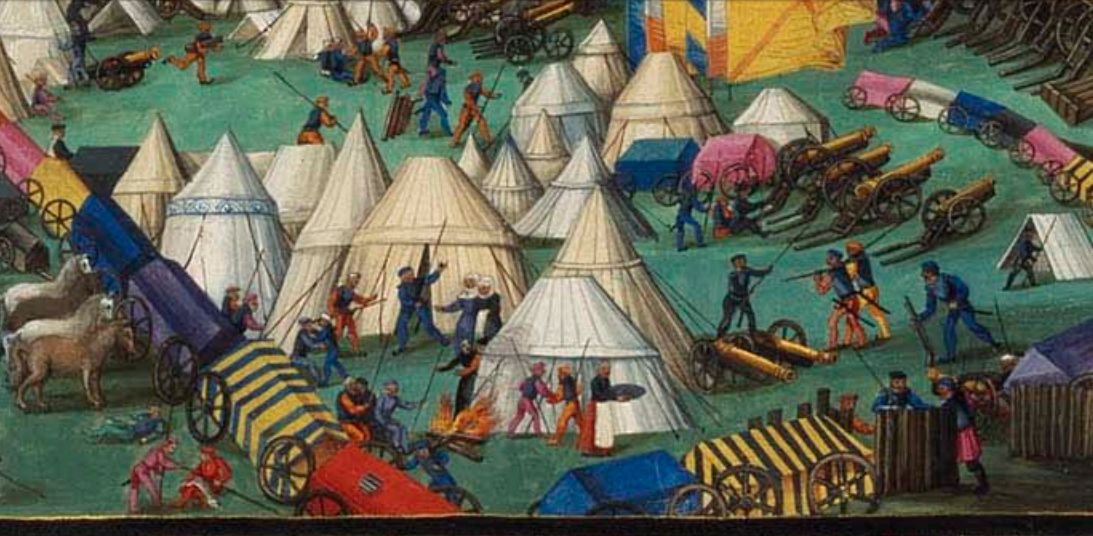
The face of war during this time was changing dramatically. The Burgundian Wars (1474-77) had shown that cavalry was virtually useless against well-trained pike formations aided by the new handguns (“hand-cannons”). The costs of raising mounted troops was increasing due to economic pressures of European nobility. The previous chivalric ideals of combat between knights and nobles were turned upside-down as practical and devious tactics like ambushes, disguising troops and their movements with false information, and using dust or smoke screens to blind the enemy before a headlong charge came into play. The Landsknechts’ new mobile infantry was quickly trained in large numbers and fast became the main body of mercenary armies throughout Europe.
In companies of 400, armed with 12-18 foot pikes, Landsknecht soldiers could create a bristling hedgehog (Igel) that even the bravest knights and well-trained warhorses hesitated to charge. Integrating mobility with shock, their squares of pikemen and halberdiers could rebuff heavy cavalry charges, allowing artisans and peasants, who often made up the squares, to take down knights. The tight, disciplined formations pressed down on opponents, transforming the pike square into a weapon in its own right, as can be seen in the image below. The impenetrable pike squares augmented with specialty weapons such as arquebuses (matchlock muskets), Zweihanders (large, two-handed swords designed for breaking a pike formation), halberds and other polearms, Katzbalgers (short swords reminiscent of the Roman gladius), and ability to quickly adapt to the circumstances were swiftly becoming the martial standard to which to aspire.
From the late 15th century through the first decades of the 16th century, the Landsknechte enjoyed elevated status, bargaining power, and a knightly honor that was highly unusual for foot soldiers. Their colorful “puff and slash” style influenced clothing for the nobility and gentry for decades to come.